For years, climate change has been framed as a problem of the future—something to be addressed gradually, negotiated carefully, and postponed when political or economic pressures arise. That framing has proven dangerously misleading. Climate change is no longer approaching; it is actively reshaping our economies, communities, and ecosystems. The most damaging decision being made today is not insufficient climate ambition, but sustained climate inaction.
Across the world, and particularly in Africa, climate impacts are no longer isolated events. They are interconnected shocks that ripple through food systems, health services, infrastructure, education, and governance. Floods are no longer seasonal inconveniences; they are recurring disasters. Droughts are no longer rare; they are prolonged and more intense. Heat is no longer tolerable; it is deadly.
Source: Grantham institute
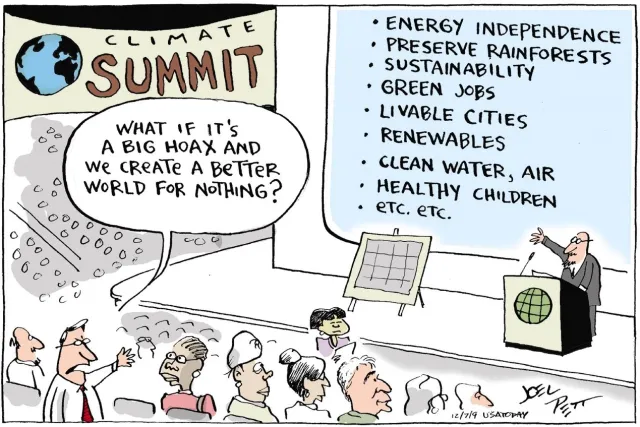
Each climate shock comes with a price tag. Homes are destroyed. Crops fail. Roads collapse. Schools close. Health facilities are overwhelmed. Governments respond with emergency budgets, humanitarian appeals, and reconstruction plans—often repeating the same cycle year after year. What is rarely acknowledged is that this reactive approach is far more expensive than prevention, resilience, and early action.
Climate inaction drains national economies quietly but persistently. Agricultural losses reduce GDP growth and food security simultaneously. Energy systems strain under rising demand and failing infrastructure. Insurance markets retreat from high-risk areas, pushing costs onto households and governments. Informal workers lose income during extreme weather, deepening poverty and inequality. These losses rarely make headlines, but together they erode development gains built over decades.
The burden is not shared equally. Those least responsible for global emissions are suffering the most severe consequences. Smallholder farmers, urban informal settlement residents, coastal communities, pastoralists, and fisherfolk are paying a price for decisions made far beyond their influence. Climate change magnifies existing inequalities, turning vulnerability into a permanent condition rather than a temporary setback.
There is also a generational cost that is often overlooked. Children growing up in climate-affected communities face disrupted education, malnutrition, displacement, and psychological stress. Young people inherit degraded ecosystems, unstable economies, and limited opportunities—not because solutions were unavailable, but because action was deferred. Climate inaction is, in effect, a transfer of risk and responsibility to those least able to bear it.
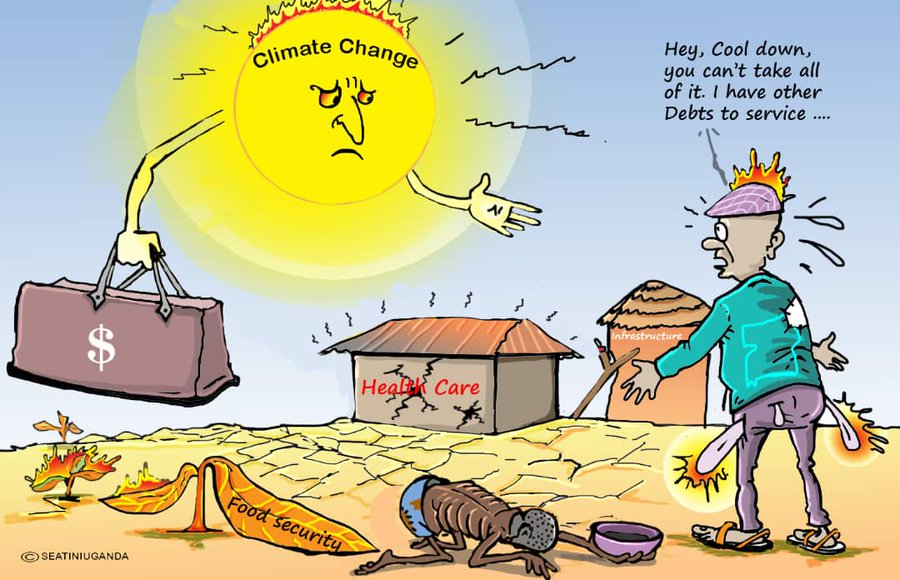
Despite this reality, climate action is still frequently portrayed as a financial burden. This narrative is increasingly out of step with evidence. Renewable energy is now among the most affordable sources of power. Climate-resilient infrastructure lasts longer and performs better under stress. Ecosystem restoration reduces disaster risk while supporting livelihoods. Early warning systems save lives and reduce economic losses many times over their cost. The real expense lies in delay, not action.
The problem, therefore, is not a lack of solutions. It is a failure of political will, governance, and prioritization. Climate commitments are announced, but implementation is slow. Funds are pledged, but communities struggle to access them. Local knowledge is praised rhetorically, yet excluded from planning and decision-making. As a result, climate responses remain fragmented, underfunded, and disconnected from lived realities.
A shift is
urgently needed—from crisis management to risk management; from short-term
fixes to long-term resilience. Climate considerations must be embedded into
national development planning, public finance, urban design, agriculture, and
education systems. Climate resilience should not sit in isolated departments;
it must become a core lens through which all policy decisions are made.
Equally critical is recognizing that resilience is built locally. Communities are not passive victims of climate change; they are first responders, innovators, and custodians of ecosystems. When empowered with resources, information, and decision-making authority, local actors deliver solutions that are context-specific, cost-effective, and sustainable. Ignoring this capacity is both inefficient and unjust.
Climate action also presents a powerful opportunity. Climate-smart agriculture can improve productivity and incomes while protecting soils and water. Clean energy can expand access, reduce pollution, and create employment. Restoring rivers, wetlands, and forests can protect cities, support biodiversity, and enhance public health. These are not sacrifices—they are pathways to a more stable and inclusive economy.
The window for meaningful action, however, is narrowing. Every year of inaction locks in higher risks and fewer choices. Infrastructure built today will shape vulnerability for decades. Policies delayed today will define tomorrow’s crises. Climate change does not wait for political consensus or economic convenience.
The true measure of leadership in this era will not be found in speeches or pledges, but in the willingness to act decisively, invest wisely, and protect the most vulnerable. Climate change is not simply an environmental issue—it is a development challenge, a social justice concern, and a test of collective responsibility.
The cost of
climate inaction is already being paid, silently and steadily. The only
question that remains is whether societies will continue to absorb these
losses—or finally choose a different path